Creator Partnerships
10 LGBTQ+ Creators Brands Should Book for Q4
By The Gaygency · 09-03-26 · 7 min read
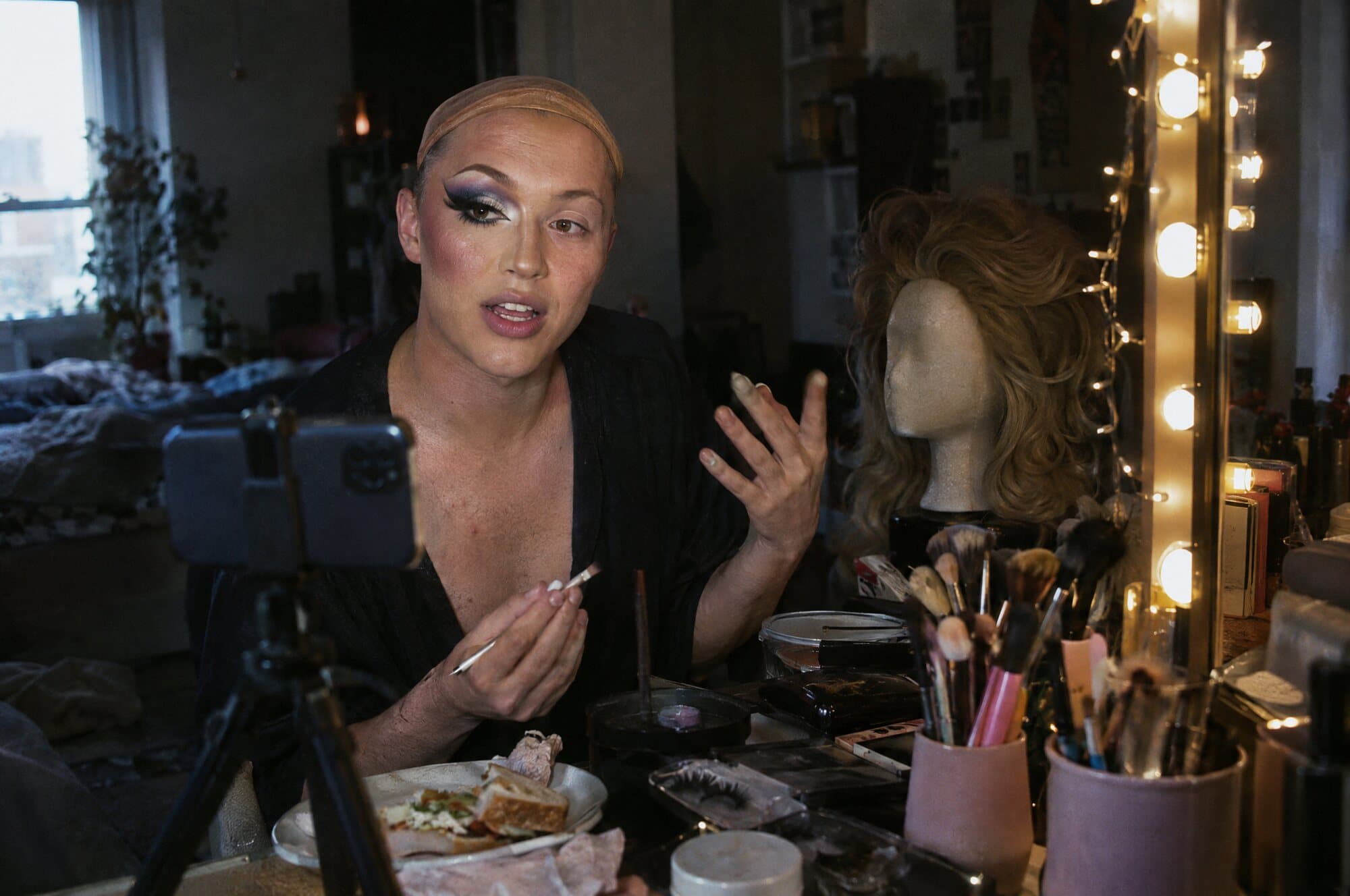
Q4 is when most brands lock next year's creator budgets, and right now the LGBTQ+ creator market is priced as if far fewer brands were competing for it than really are. We covered the economics of that gap in a separate guide: Pride-season creator income collapsed for several LGBTQ+ creators between 2023 and 2025 as brands pulled back, even though their audiences did not shrink. That gap does not close itself. It closes when brands start booking again, and Q4 planning season is when that decision gets made for the following year.
This is not a ranked "top 50" pulled from a follower-count spreadsheet. It is ten creators, verified as real and currently active, spanning platforms and content niches, with a note on what each one is known for and where they fit a brand's Q4 calendar. Follower counts are cited only where a reliable public source confirms them. Where we could not verify a specific number, we describe the audience instead of guessing at it.
The creators did not get smaller. The number of brands willing to book them did.
1. Bretman Rock
Platform: YouTube, TikTok, Instagram. Beauty and lifestyle. Bretman Rock built his audience starting with a viral contouring video in 2015 and has stayed active across platforms since, mixing makeup tutorials with comedy and personal vlogging. He was the first openly gay man to appear on the cover of Playboy, in October 2021, and has continued releasing beauty and lifestyle content through 2026. His format fits gifting-season beauty content especially well, since tutorials and product features are already his core content type.
2. Chris Olsen
Platform: TikTok, YouTube. Comedy and lifestyle. Olsen's main TikTok account has 14 million followers according to his own public profile, built on comedic, personality-driven videos, including a recurring bit delivering coffee to recognizable public figures. He has appeared on tour with musician Meghan Trainor and continues to post actively in 2026. His tone suits lighthearted holiday and gifting content that does not require a hard sell.
3. Rickey Thompson
Platform: TikTok, Instagram. Comedy and fashion. Thompson has around 3 million TikTok followers according to a Forbes profile, and has a documented history of sponsored partnerships with YSL Beauty, Moncler, Marc Jacobs, and MAC Cosmetics. That track record matters for a first booking: a creator who has already run brand partnerships at this level has a known process, which takes the guesswork out of a new relationship.
Creator income in this market fell between 2023 and 2025 because brands pulled back, not because the audiences got smaller.
4. Trixie Mattel
Platform: YouTube, podcast, TikTok. Drag entertainment and beauty. Trixie Mattel co-hosts the long-running podcast "The Bald and the Beautiful" with fellow drag performer Katya, posts actively on YouTube and TikTok, and runs her own cosmetics line, Trixie Cosmetics, alongside the Trixie Motel hospitality brand. A creator who already runs a product business brings an audience with proven purchase behavior built in, which is valuable for any brand considering a product-focused Q4 partnership.
5. Alok Vaid-Menon
Platform: TikTok, Instagram, live comedy touring. Gender expression, comedy, and poetry. Vaid-Menon is a gender-nonconforming writer and comedian whose 2026 content includes active promotion of a stand-up comedy special and tour dates. That built-in touring audience makes them a strong fit for brands looking to pair a digital partnership with an in-person activation during Q4's live-event season.
6. Matt Bernstein (MattXIV)
Platform: Instagram, podcast. Cultural commentary. Bernstein's Instagram account, known as MattXIV, had 2.2 million followers as of an April 2026 profile, built on infographic-style commentary about politics and LGBTQ+ issues, alongside his podcast "A Bit Fruity." He is the right fit for brands that want a genuinely thoughtful, issues-literate voice rather than pure entertainment, and whose audience trusts him precisely because he does not read like a typical brand-safe influencer.
7. Jonathan Van Ness
Platform: Podcast, Instagram. Wellness, beauty, and lifestyle. A "Queer Eye" cast member with mainstream crossover reach well beyond LGBTQ+ audiences specifically, Van Ness hosts the active podcast "Getting Better with Jonathan Van Ness," with new episodes through 2026. Wellness, beauty, and grooming brands heading into the holiday self-care season are a natural fit for his format and audience.
Next year's creator budgets get proposed and approved in the fourth quarter, so a booking decision made now shapes the entire following year.
8. Bob the Drag Queen and Monét X Change
Platform: Podcast (video and audio), Instagram. Comedy and drag culture. The two "RuPaul's Drag Race" alumni co-host "Sibling Rivalry," a weekly comedy and culture podcast that, as of June 2026, signed a new multi-year exclusive hosting and advertising partnership with Libsyn specifically built to connect the show with brand advertisers. That means the ad infrastructure for this partnership is already built and actively seeking brand placements right now, which shortens the path from interest to a booked spot considerably.
9. Kim Chi
Platform: Instagram. Beauty and drag. Kim Chi, a "RuPaul's Drag Race" alumna, founded KimChi Chic Beauty, a cosmetics brand she continues to promote actively on her own account and the brand's dedicated page. A creator running her own beauty line brings direct category credibility for any cosmetics or beauty brand considering a partnership.
10. Symone
Platform: Instagram, live performance. Fashion and drag entertainment. The "RuPaul's Drag Race" Season 13 winner has been profiled by Vogue for her fashion sensibility and remains active in 2026, including being featured this July in the official "RuPaul's Drag Race Superstar" mobile game. Fashion, beauty, and editorial-style Q4 campaigns, particularly anything tied to a holiday collection or a runway-adjacent concept, are a strong fit.
None of these ten needed to be discovered. They needed a brand willing to book them before the market catches up to what they are worth.
Before reaching out to any creator on this list
- Confirm current management contact and rates directly, since both change faster than any list can track
- Ask about usage rights and whitelisting terms before production starts, not after
- Match the creator's actual content style to the campaign, not their category alone
- Plan for a partnership that continues past a single Q4 post, since one-off bookings are the pattern that created this pricing gap in the first place
Why Q4 specifically
Budgets for the following year typically get proposed and approved in the fourth quarter, which makes September through December the window when a creator strategy either gets built into next year's plan or gets left out of it again. A creator partnerships engagement built now, with real vetting and a fair rate locked before the market corrects, tends to outperform one assembled in a rush the following June. Pairing any of these partnerships with a steady organic social presence, rather than a single sponsored post, is what turns a booking into a relationship the creator's audience trusts.
Fashion, beauty, and lifestyle brands, categories well represented on this list, are in a particularly strong position to act on this now. Our fashion and e-commerce work already treats creative, media, and email as one connected system, and a creator partnership fits directly into that system rather than sitting apart from it as a one-off spend.
Frequently asked questions
How were these ten creators chosen?
Each name was verified as currently active through 2026 public activity, spans a mix of platforms and content niches rather than repeating the same format, and has a documented history or current activity that a brand can independently confirm before reaching out.
Why do some entries include follower counts and others do not?
Follower counts change constantly and are not always publicly or reliably reported. Where a specific number came from a source we could verify, such as a creator's own profile or a business publication, we included it. Where we could not verify a current number with confidence, we described the audience instead of guessing.
Is a smaller or newer brand realistic competition for these creators' attention?
Often, yes. Several of these creators built their audience and their brand partnership history well before reaching mega-influencer scale, and creators generally respond better to a well-scoped, respectful offer from a smaller brand than a vague one from a larger one. Fit and clarity matter more than budget size at the outreach stage.
Should a brand book a single post or a longer partnership?
A longer partnership. The pricing and trust dynamics in this specific market reward brands that show up consistently, not brands running a single Q4 post and disappearing. Our guide on why these creators currently cost less and convert better covers why the sustained relationship model outperforms the one-off booking.
What is the biggest mistake brands make when booking a creator from this list?
Treating the partnership as a media buy instead of a relationship. A creator whose audience trusts them personally will underperform if the brief reads like a script instead of a real fit for their voice. The creators on this list built their audiences by being specific and consistent. A brand's approach should match that.
The Q4 planning window is short, and the pricing gap this list opens with will not stay open forever. Book a call and we will build a creator shortlist and outreach plan around your brand's actual audience, not a follower-count leaderboard.
Free checklist
How not to f*ck up your queer marketing
A checklist for businesses that want to win over LGBTQ+ customers, authentically.
Thirty quick checks to run before your next post, ad or Pride campaign, so you catch the cringe before your customers do.
Delivered by email. No spam, ever.
Written by
The marketing and advertising agency for LGBTQ+ businesses and the brands that back them. Strategy, media buying, and brand systems with published results.
See the workKeep reading